

Mofidi Compressor is one of the well-known compressor manufacturers in Iran. For this reason, essential consumable components such as the Mofidi Compressor Belt are also supplied by the company.
What Is a Compressor Belt and What Is Its Function?
The compressor belt is one of the essential components in various types of air compressors. Its main function is to transfer power from the electric motor to the compressor pump. This component is commonly used in industrial and semi-industrial compressors and plays an important role in the efficiency and service life of the equipment.
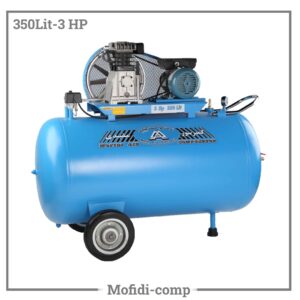
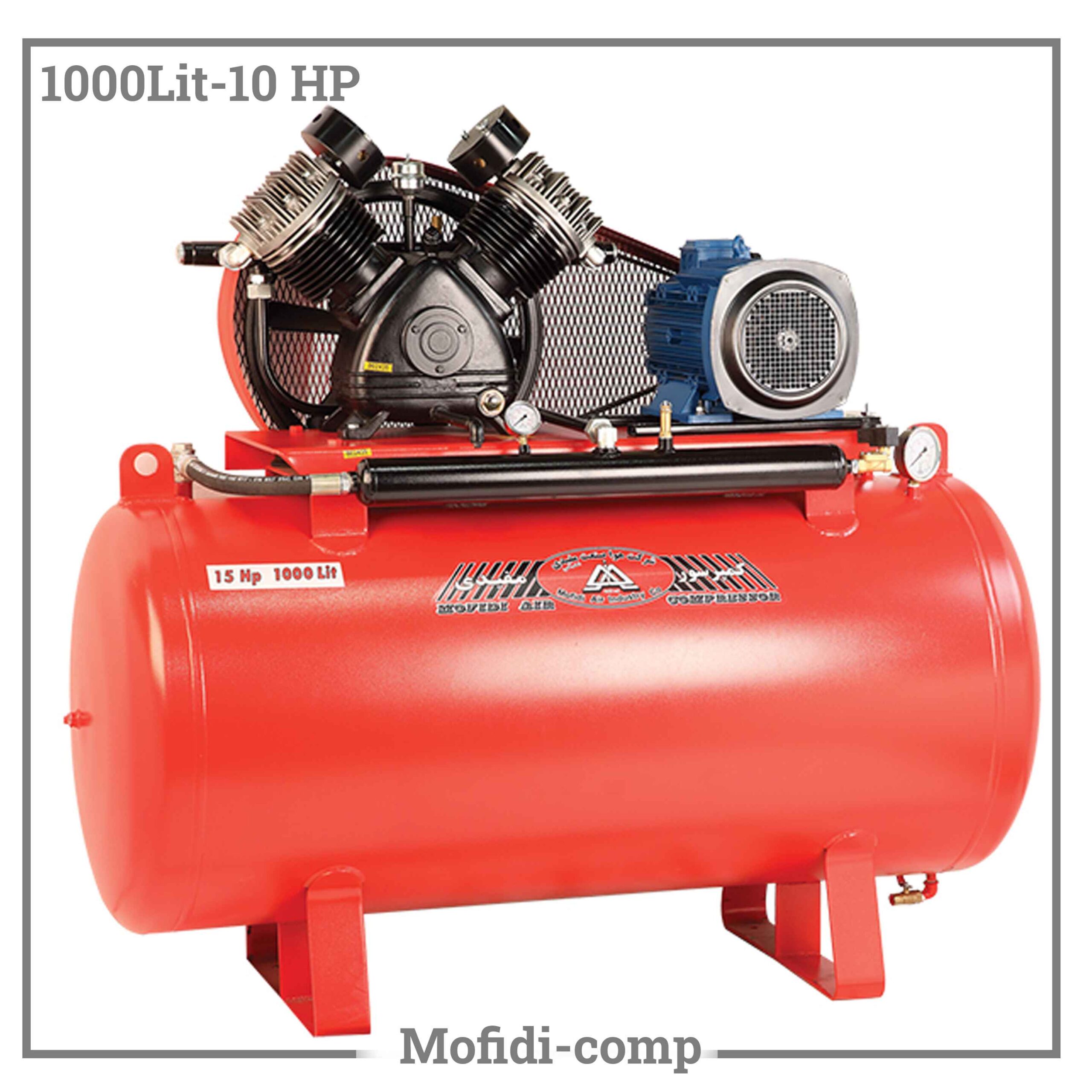
In belt-driven screw compressors and belt-driven piston compressors, the belt acts as a connection between the power source and the mechanical section, transferring the rotation of the motor to the pulley connected to the compressor shaft.
Mofidi Compressor Belt
Timing Belt: Suitable for compressors that require power transmission without slipping. The teeth on the inside of the belt precisely engage with the pulley teeth, helping prevent energy loss.
Compressor Belt Material and Structure
Compressor belts are generally made of three main layers. The outer layer is made of durable rubber, such as neoprene, which provides resistance to heat, oil, and ozone. The middle layer consists of high-strength tensile fibers such as polyester, Kevlar, or aramid, which provide the belt with tensile strength. The inner layer is the contact surface with the pulley and provides the necessary friction for power transmission.
Causes of Compressor Belt Failure
The most common causes of compressor belt failure include:
- Incorrect belt tension: This is one of the most common causes. A loose belt can slip and overheat, while an excessively tight belt can place excessive pressure on the bearings and shaft.
- Pulley misalignment: Misaligned pulleys can cause uneven wear on the edges of the belt.
- Contact with oil and chemicals: Exposure to oil and chemicals can cause the rubber to swell, deteriorate, or dry out.
- High ambient temperature: Excessive environmental heat can significantly reduce the service life of the belt.
Compressor Belt Maintenance and Replacement
To extend the service life of the compressor belt, its tension should be checked once a month. As a general guideline, the belt should have approximately 1 cm of slack at the midpoint between the two pulleys.
The belt should also be inspected every three months for cracks, wear, and deterioration.
Depending on the operating conditions and workload, a compressor belt typically needs to be replaced every 6 to 12 months.
Squealing noises, a burning smell, and reduced outlet pressure can be signs of a worn or damaged compressor belt and should be investigated promptly.


Reviews
There are no reviews yet.